How Mobile Gaming Became Bigger Than Console — And Why PC Gamers Don't Notice
Mobile gaming generates more revenue than console and PC gaming combined. Most hardcore gamers have no idea. That disconnect says everything about how fragmented the industry has become.
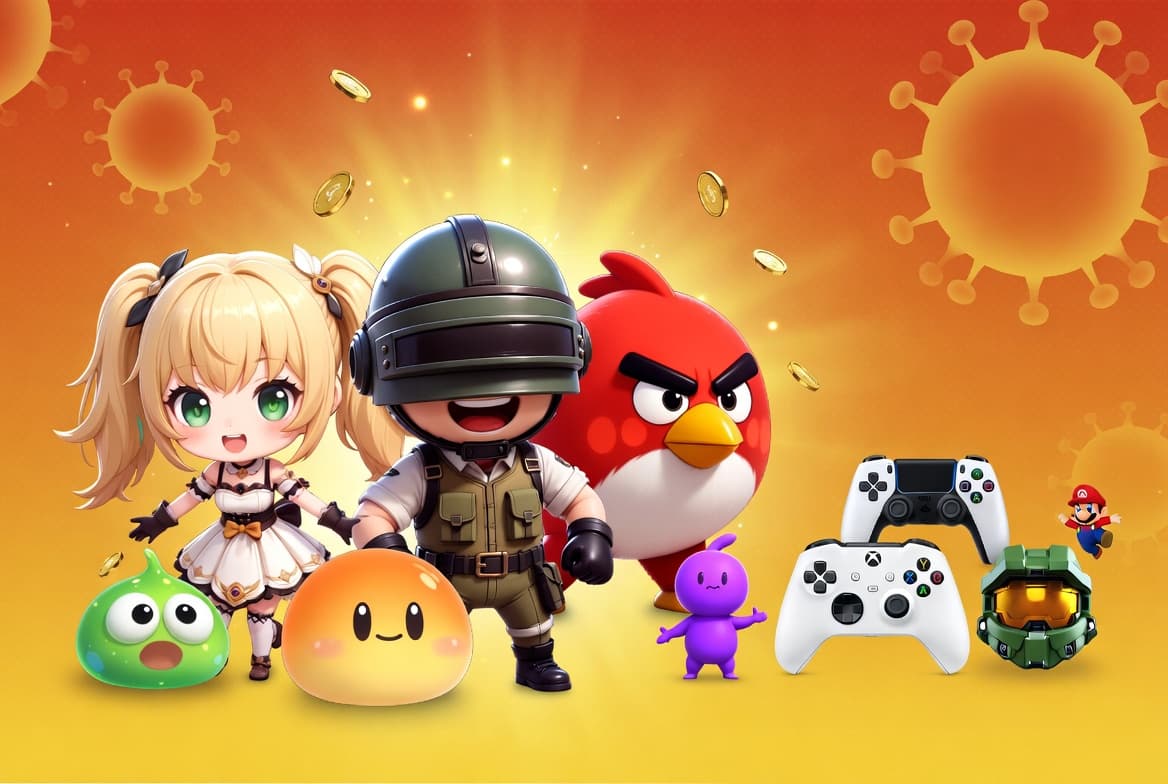
If you spend any time in gaming communities — Reddit, Discord, YouTube comment sections — you'll encounter a fairly consistent worldview: mobile games are cheap, predatory, and not real games. Consoles and PC are where gaming actually happens.
This worldview is wrong. Not slightly wrong. Comprehensively, statistically, demographically wrong.
Mobile gaming generated $92 billion in revenue in 2025. The console market generated $48 billion. PC gaming came in at $37 billion. Mobile isn't a competitor to traditional gaming — it is the dominant format by a margin that isn't particularly close, and has been for several years.
How This Happened
The shift wasn't sudden. It was the predictable result of one of the largest infrastructure rollouts in human history.
Between 2010 and 2020, smartphone ownership went from a luxury to a global baseline. There are now approximately 6.8 billion smartphone users worldwide. The overwhelming majority of them will never own a console or a gaming PC. But they have a device in their pocket that can run sophisticated games, and they use it.
The markets that drove mobile gaming's ascent weren't the United States or Western Europe — they were China, India, Southeast Asia, Brazil, and Sub-Saharan Africa. Regions where a $700 console plus a $70-per-game business model is simply not accessible to most people, but where a free-to-play mobile game absolutely is.
Honor of Kings, developed by Tencent and largely unknown outside Asia, has over 100 million daily active players. PUBG Mobile has been downloaded over 1 billion times. These are numbers that no console game in history has approached.
Why PC Gamers Don't See It
The disconnect comes down to where gaming culture is produced versus where gaming actually happens.
Gaming media — YouTube channels, Twitch streams, Reddit communities, review outlets — is created almost entirely by and for the PC and console audience. The people making content about games are, by definition, people with the time and resources to invest heavily in gaming as a hobby. They own high-end hardware. They pay full price for games. They are not representative of the global gaming population.
Mobile gaming's largest audience doesn't produce much content about itself. A construction worker in Mumbai playing Teen Patti on his lunch break is a gamer by any reasonable definition, but he is not posting to r/gaming or watching IGN. His existence is invisible to the communities that shape how gaming is discussed.
This creates a systematic blind spot. The games that dominate global revenue and player counts are simply not part of the conversation in spaces where gaming discourse happens.
The Quality Gap Is Closing
Another reason hardcore gamers have historically dismissed mobile is quality — and historically, they had a point. Early mobile games were simple, short, and designed around aggressive monetization rather than genuine entertainment.
That characterization is increasingly outdated.
Genshin Impact, released in 2020, is a fully realized open-world RPG with production values that rival many console releases. It has earned over $4 billion in lifetime revenue. Diablo Immortal, despite its controversial monetization, delivered genuine Diablo gameplay on a phone. Call of Duty Mobile features a full battle royale mode with controls and mechanics that translate the core experience accurately.
The technology driving this shift is straightforward. The iPhone 15 Pro contains more processing power than the PlayStation 4. Modern smartphones are not underpowered devices running stripped-down games — they are legitimate gaming hardware running legitimate games. The gap between mobile and console as platforms has narrowed to the point where it's primarily a question of input method and screen size, not capability.
The Monetization Problem — And Why It's More Complicated Than It Looks
The most legitimate criticism of mobile gaming is its monetization. Gacha mechanics, energy systems, pay-to-win progression, and predatory spending prompts are genuinely widespread and genuinely harmful in some cases.
But this critique applies unevenly. Apple Arcade and Google Play Pass offer subscription access to premium mobile games with no in-app purchases — a model that has produced critically acclaimed titles including Sayonara Wild Hearts, What the Golf, and Grindstone. These games receive almost no coverage in mainstream gaming media despite being excellent.
The mobile monetization conversation has also become somewhat hypocritical given what has happened on console. EA's Ultimate Team modes, Activision's battle pass systems, and Take-Two's NBA 2K series employ mechanics that are functionally identical to what mobile games are criticized for — but they exist inside $70 games, which apparently makes them more acceptable.
What the Industry Actually Looks Like in 2026
The major console and PC publishers understand the mobile reality even if their core audience doesn't. Microsoft's mobile gaming ambitions were a significant part of the rationale for the Activision Blizzard acquisition — King, the studio behind Candy Crush, alone generates over $2 billion annually. Sony has been steadily expanding its mobile presence. Nintendo's mobile experiments, while mixed in quality, have consistently driven awareness and revenue.
Tencent, the Chinese conglomerate that most Western gamers couldn't name, owns significant stakes in Epic Games, Riot Games, Ubisoft, Activision Blizzard, and dozens of other studios. It is the largest gaming company in the world by revenue. Its power derives almost entirely from mobile dominance.
The center of gravity in gaming has already shifted. The industry's biggest companies, biggest revenues, and biggest player counts are all in mobile. The passionate hobbyist community that defines gaming's cultural identity is real and significant — but it represents a minority of the people actually playing games.
The Uncomfortable Conclusion
The image that hardcore gamers have of gaming — a medium defined by narrative ambition, technical sophistication, and communal discourse around major releases — describes a real thing. It just doesn't describe most of gaming.
Most gaming is a free app opened during a commute, a lunch break, or ten minutes before sleep. Most gamers have never owned a console. Most gaming revenue comes from markets that Western media rarely covers.
This isn't an argument that mobile gaming is better than console or PC gaming. It's an argument that the conversation about gaming routinely ignores the majority of what gaming actually is — and that the industry's future will be shaped by the 6 billion people with smartphones far more than by the 200 million people with consoles.
The PC gaming community didn't miss mobile gaming's rise because it was hidden. They missed it because they weren't looking in the right direction.