How Streamers Killed Traditional Gaming Journalism
Ten years ago, a review from IGN or GameSpot could make or break a game's launch. Today, most players haven't read a written game review in years. What happened — and who's responsible.
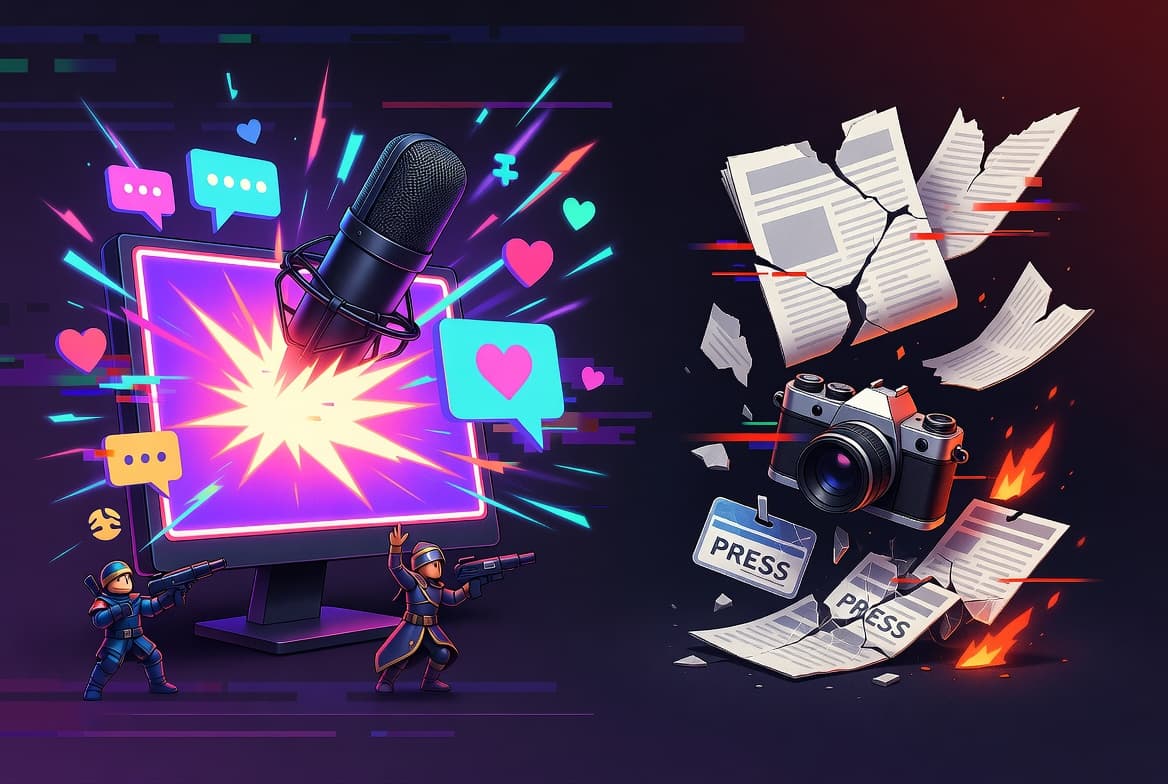
In 2012, when a major game released, the sequence was predictable. Outlets like IGN, GameSpot, and Eurogamer published written reviews. Players read them, debated the scores in comment sections, and made purchasing decisions based partly on what professional critics said. The review embargo lift was a genuine event.
In 2026, that sequence is largely irrelevant. Most players have already watched hours of gameplay footage before a game releases. They've seen streamers react to the opening, struggle through difficult sections, and form opinions in real time. By the time a written review publishes, the audience has already decided.
Traditional gaming journalism didn't die suddenly. It was displaced gradually, and then all at once.
The Trust Problem That Already Existed
It would be inaccurate to say streamers destroyed something that was functioning perfectly. Gaming journalism entered the streaming era already carrying significant credibility damage.
The Gerstmanngate incident in 2007 — in which GameSpot editor Jeff Gerstmann was fired following a negative review of a heavily advertised game — planted a seed of skepticism that never fully disappeared. The #GamerGate controversy in 2014, whatever its other dimensions, surfaced genuine concerns about the financial relationships between outlets and publishers. Embargoes, review copies, sponsored content, and advertising dependencies created structural conflicts of interest that outlets handled with varying degrees of transparency.
Players were primed to distrust institutional critics before streaming gave them an alternative. Streaming didn't create the distrust — it gave the distrust somewhere to go.
What Streaming Actually Offered
The core appeal of watching a streamer play a game instead of reading a review is transparency that no written review can replicate.
A review tells you what a critic concluded. A stream shows you what a game actually looks like, in real time, played by a real person reacting honestly. When a streamer dies repeatedly to a boss, you understand the difficulty in a way that a difficulty rating of "7 out of 10" cannot communicate. When they laugh at a joke, you know the humor lands. When they put the controller down and stare at the screen after a story moment, you feel the impact before you've experienced it yourself.
This isn't just more engaging than reading — it's more informative for the specific purpose of deciding whether to buy a game. The viewer is essentially watching an extended demo played by someone whose taste they've chosen to follow over months or years.
The parasocial dimension matters too. A reader has no relationship with the person who wrote an IGN review. A regular Twitch viewer has spent hundreds of hours with their favorite streamer — they know the streamer's preferences, their tolerance for difficulty, their sense of humor, what bores them. That context makes the streamer's opinion dramatically more useful as a purchasing signal than a stranger's written assessment.
The Numbers That Tell the Story
In 2015, the largest gaming YouTube channels had subscribers in the range of 10 to 15 million. IGN's website received approximately 40 million monthly unique visitors — a figure that made it one of the largest gaming destinations on the internet.
By 2025, PewDiePie had accumulated over 110 million subscribers before stepping back from regular content. Ninja peaked at 20 million Twitch followers during the Fortnite era. The top ten gaming streamers collectively reach an audience that dwarfs every traditional gaming outlet combined, measured by any metric.
IGN still exists. It still publishes reviews. It still has an audience. But its cultural centrality — its ability to shape discourse around a major release — is a fraction of what it was a decade ago. The same is true of every outlet that built its identity around written criticism.
What Happened to the Outlets
The business model of traditional gaming journalism was always precarious. It depended on advertising revenue, which depended on page views, which depended on being the place people went for gaming information. Once streaming gave players a more compelling alternative, page views declined, advertising revenue followed, and the financial foundation eroded.
The industry response was waves of layoffs and closures that have become a recurring story throughout the 2020s. GameSpy shut down in 2014. Deadspin's gaming coverage disappeared. G4 relaunched and collapsed again. Fanbyte closed. Giant Bomb, once the most respected destination for long-form gaming criticism, was gutted and restructured multiple times before losing most of its founding staff.
The outlets that survived did so by pivoting — toward video content, toward YouTube presences, toward the streaming formats that displaced them. IGN now produces as much video content as written content. GameSpot has a significant YouTube operation. The irony is that traditional outlets survived partly by becoming more like the streamers who replaced them.
What Was Actually Lost
The displacement of written criticism by streaming is not a clean upgrade. Something real was lost in the transition, even if the transition was inevitable.
Long-form written criticism could do things that streaming cannot. A thoughtful 3,000-word review could contextualize a game within a genre's history, analyze its mechanics with precision, and articulate what a game was trying to do versus what it actually achieved. The best gaming criticism — from writers like Tom Chick, Cara Ellison, and Brendan Sinclair — was literature about an interactive medium, bringing tools from film criticism, literary analysis, and cultural theory to bear on games.
Almost none of that survived the transition to video. Streaming rewards personality, reaction, and entertainment. It does not reward nuance, ambiguity, or the kind of carefully structured argument that takes time to build. A streamer who expresses mixed feelings about a game in a three-hour session produces content that is less useful to a viewer than a review that articulates exactly why the game succeeds in some areas and fails in others.
The result is a discourse around games that is broader and louder than ever before, but in many ways shallower. More people are talking about games. Fewer people are saying anything particularly precise about them.
The Streamer Is Not a Journalist
The other thing lost in the transition is something harder to quantify: independence.
The relationship between streamers and game publishers is, if anything, more compromised than the relationship that existed between outlets and publishers. Sponsored streams, early access arrangements, and the simple economic reality that a streamer's income depends on playing popular games create systematic incentives to be positive about major releases and ignore or underplay problems.
At least outlets had editorial policies, disclosures, and professional standards — however inconsistently applied. Most streamers operate with no institutional accountability whatsoever. When a game launches with serious technical problems or misleading marketing, a traditional journalist had professional reasons to report it accurately. A streamer has financial reasons not to.
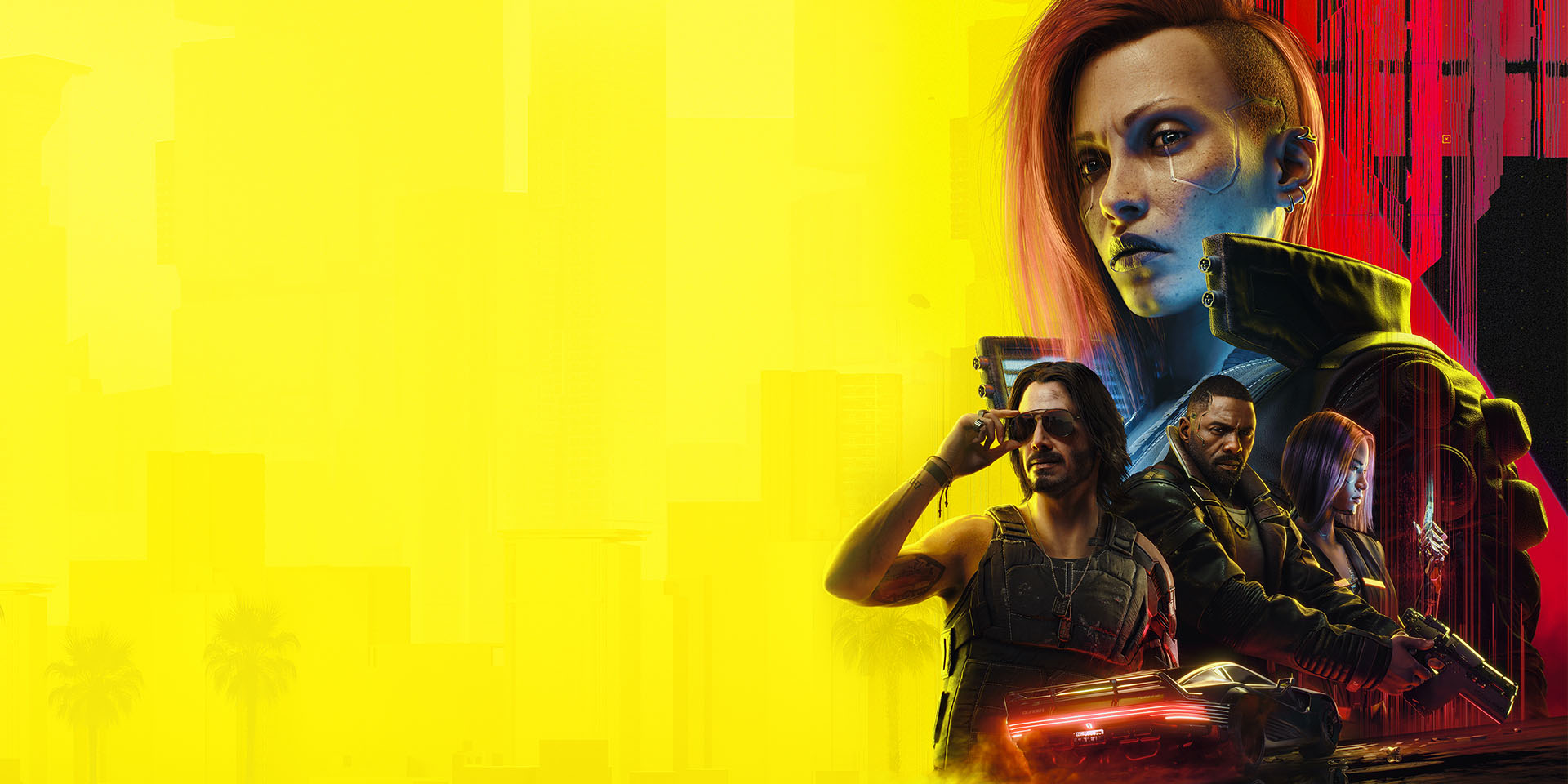
The Cyberpunk 2077 launch in 2020 illustrated this clearly. Traditional outlets and a handful of critical YouTubers accurately reported the console version's catastrophic technical state. Large streamers, many of whom had partnership relationships with CD Projekt Red, were considerably more muted. Players who relied on streaming for their information were less prepared for what they encountered.
Where Gaming Discourse Lives Now
In 2026, the most influential voices in gaming are not critics — they are entertainers who happen to play games. The distinction matters.
Some of those entertainers are genuinely thoughtful about games and produce content that functions as legitimate criticism. Channels like videogamedunkey, Joseph Anderson, and Skill Up have built audiences specifically around analytical takes rather than pure entertainment. They represent a hybrid that traditional criticism failed to become — rigorous enough to be useful, watchable enough to compete with pure entertainment streamers.
But they are exceptions. The dominant streaming culture is not about analysis — it is about reaction, personality, and shared experience. Games are increasingly evaluated by how entertaining they are to watch rather than how good they are to play, a distinction that is shaping which games get made and how they're designed.
Traditional gaming journalism isn't entirely dead. It exists in a diminished form, serving an audience that still values written criticism, still reads long-form analysis, still cares about editorial independence. That audience is smaller than it used to be and is not getting larger.
What replaced it is bigger, louder, more accessible, and reaches more people than gaming media ever did at its peak. Whether it serves those people as well is a question the industry has largely stopped asking.