Why Co-Op Games Are Having a Renaissance in 2026
After years of battle royales and live-service dominance, cooperative gaming is back in a big way. Here's what's driving the shift.
Something quietly shifted in gaming over the past 18 months. While the industry was busy chasing the next Fortnite, players started voting with their wallets in a different direction — and co-op games are now some of the best-selling, most-discussed titles on the market.
The Numbers Don't Lie
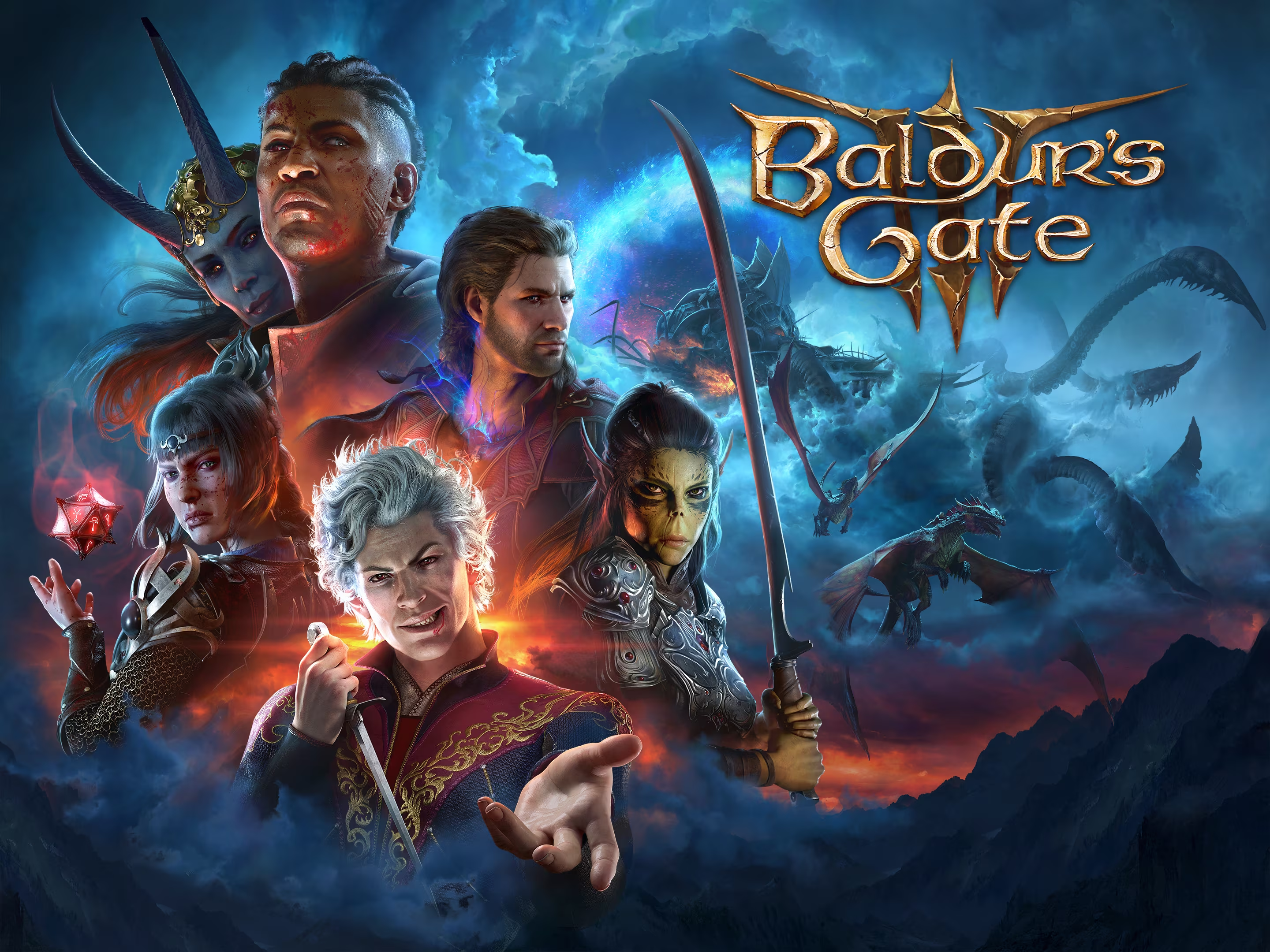
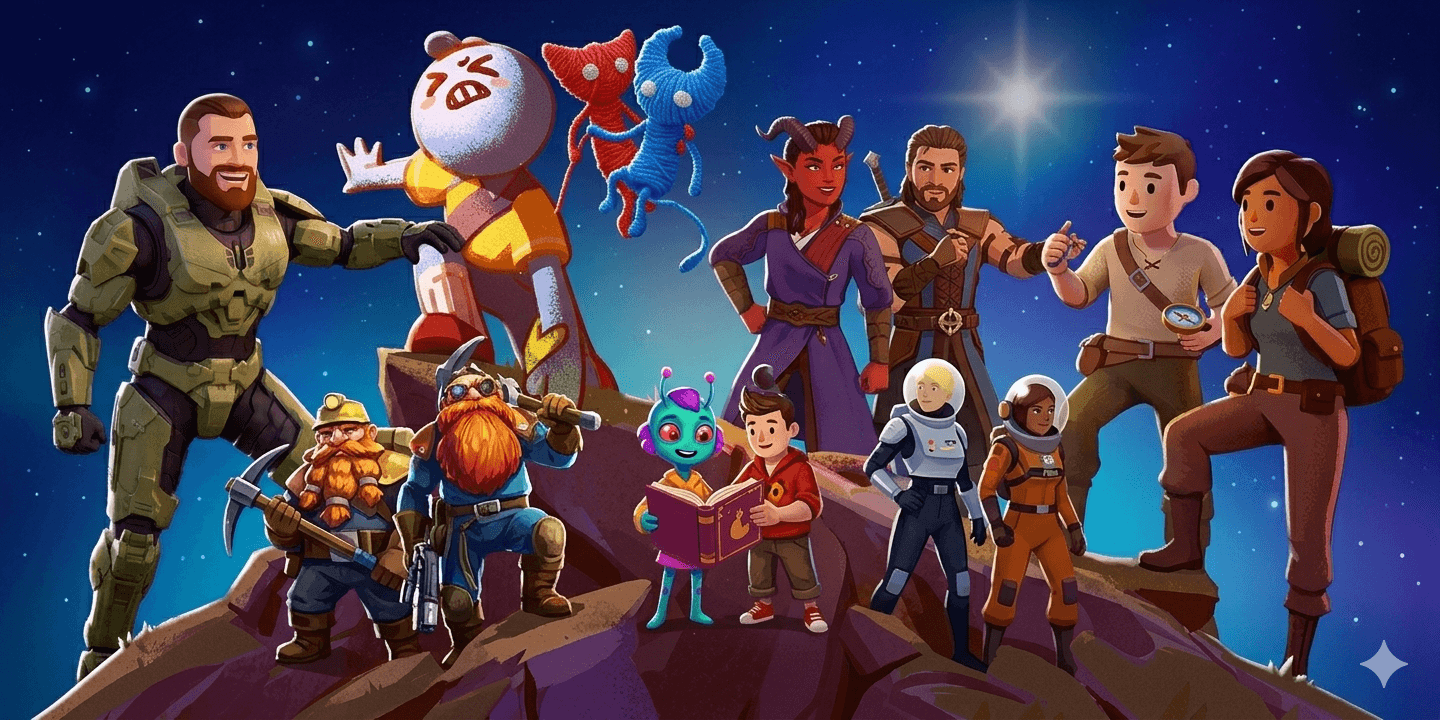
Steam's 2025 year-in-review told a clear story. Co-op titles accounted for six of the top ten most-played games by hours, up from two in 2023. It Takes Two has now surpassed 20 million copies sold — a figure that puts it ahead of franchises with decades of history. Meanwhile, Baldur's Gate 3's multiplayer mode was cited by Larian Studios as the primary way over 40% of players experienced the game.
This isn't a coincidence. It's a trend.
What Killed the Solo Era (Temporarily)
The mid-2020s were brutal for single-player gaming at the AAA level. Publishers chased live-service models, battle passes, and games-as-a-service revenue. The results were predictable — player fatigue, backlash, and a string of high-profile failures including Suicide Squad: Kill the Justice League and Concord, which shut down just two weeks after launch.
Players weren't abandoning games. They were abandoning a specific kind of game.
Why Co-Op Fills the Gap
Co-op gaming offers something that neither solo campaigns nor competitive multiplayer can replicate: shared experience without the pressure of winning.
Industry psychologist Dr. Rachel Kim, who consults for several major studios, explains it this way: "Competitive games create anxiety. Solo games can feel isolating. Co-op hits a middle ground — you're challenged, but you're challenged together. That's fundamentally more enjoyable for most people."
The post-pandemic context matters here too. After years of remote work and social fragmentation, people are actively seeking ways to connect. Gaming — particularly co-op gaming — has become one of the primary social outlets for people in their 20s and 30s.
The Indie Advantage
Large publishers were slow to notice the shift. Indie studios weren't.
Games like Unravel Two, Wildermyth, and most recently Wanderers — a co-op exploration game from a four-person team that sold 3 million copies in its first month — showed that you don't need a $200 million budget to deliver a world-class cooperative experience. You need good design and an understanding of what players actually want.
The indie sector's agility is a structural advantage. A small team can build around a single idea — "what if everything was more fun with a friend" — without a marketing department insisting on battle pass integration.
How Big Studios Are Responding
The message has landed. Several major publishers have quietly restructured their pipelines:
- Ubisoft announced that three of its next five major releases will feature full co-op campaigns, a significant departure from its recent live-service focus - Sony greenlit two co-op exclusives for 2026 following the commercial failure of its competitive multiplayer slate - Xbox Game Studios confirmed that the next Halo entry will center its campaign around two-player co-op for the first time in the series' main story
The Technology Factor
Better infrastructure has removed the friction that historically made co-op frustrating. Cross-platform play is now standard rather than exceptional. Cloud gaming allows players to join sessions without owning the same hardware. And improved netcode — particularly the sub-20ms latency now achievable on 5G networks — means that online co-op finally feels as good as sitting on the same couch.
For years, the technical barrier was real. A co-op game that felt laggy or required complex setup wasn't going to find a mass audience. That barrier is effectively gone in 2026.
What This Means Going Forward
The renaissance isn't a temporary correction. The underlying factors — social demand, infrastructure improvements, indie innovation, and AAA recalibration — are structural changes, not cycles.
Analysts at Newzoo predict the co-op segment will grow by 34% by 2028, outpacing both battle royale and traditional single-player categories. More significantly, co-op games show dramatically better long-term retention than competitive titles, which tend to spike and drop rapidly.
For players, this is straightforwardly good news. The industry is building more games designed around shared enjoyment rather than individual competition. After several years of gaming that often felt more stressful than fun, that's a shift worth celebrating.