Best Classic Puzzle Games Online
Play eight free classic puzzle games online, including solitaire, mahjong, sudoku, block placement, bubble shooting, and sliding challenges.
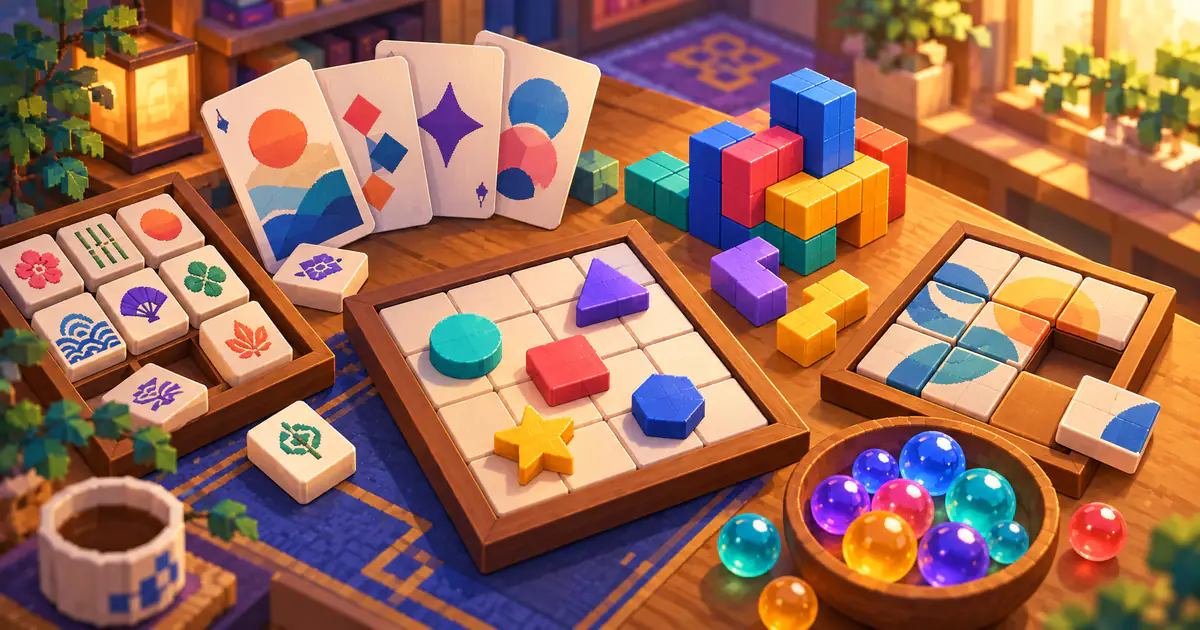
Classic puzzle games last because their rules create new decisions without needing a long tutorial. A deck of cards, a grid of numbers, a board of tiles, or a handful of blocks can support hundreds of different layouts. The objects are familiar, but the solution still depends on what you notice, what you preserve, and which move you postpone. That combination makes these games useful for a short break and satisfying during a longer focused session.
The eight browser puzzles below represent several enduring formats: solitaire, mahjong-style matching, sudoku, line clearing, bubble shooting, block placement, and sliding puzzles. Each one is available without a separate download. Visit Puzzle Games for the full collection, or browse Casual Games when you want lighter rules and shorter rounds.
1. Freecell Classic: Plan With the Whole Deck Visible
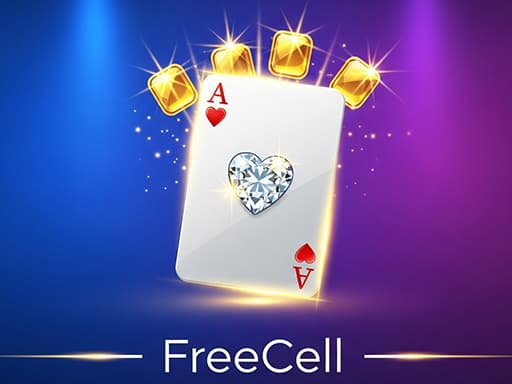
Freecell Classic is a solitaire card puzzle where every card begins face up. Build foundation piles from Ace toward King, arrange descending sequences on the board, and use the four free cells as temporary storage. Mouse clicks or taps handle the cards, while the open layout makes the problem about planning rather than revealing hidden information.
Treat empty free cells as limited resources. Moving a card there may solve the immediate problem but reduce how many cards you can rearrange later. Before committing, look for a move that exposes a low card needed by a foundation. Build mobility first, then send cards upward when doing so will not trap a useful sequence.
2. Magic Mahjong: Match Only Open Tiles
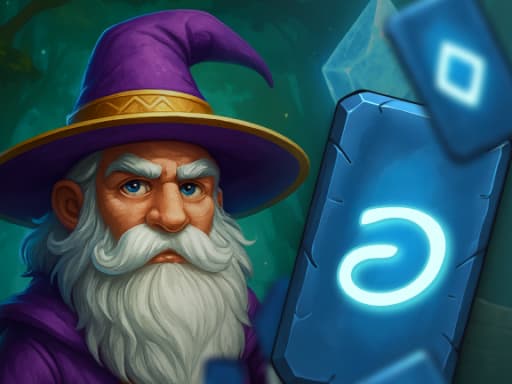
Magic Mahjong presents the familiar pair-matching structure with rune-themed tiles and changing layouts. A tile can be selected only when it is open, meaning it is not blocked on both horizontal sides. Match identical runes, clear the board, and use consecutive matches to build a stronger score. Controls are simple mouse clicks or taps.
Start by comparing pairs that release another tile. Two legal matches may look equal, but the one that opens a deeper layer creates more future options. Avoid removing every copy of one symbol from easy positions if another copy remains buried. A balanced board is easier to solve than one with a single blocked pair at the end.
3. Mahjong Match: Slow Down and Scan the Board
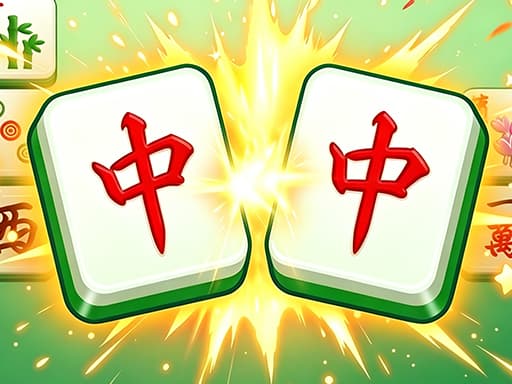
Mahjong Match offers another tile-matching interpretation with an emphasis on observation and progression. Tap or drag to make matches, clear groups from the layout, and adapt as the visible possibilities change. Its catalog description supports both quick sessions and longer play, making it the more relaxed mahjong option in this selection.
Use a consistent scanning pattern instead of looking randomly for familiar symbols. Move from left to right, then check the edges and newly exposed spaces after every match. This reduces the chance of overlooking an available pair and makes larger boards feel manageable. Choose it over Magic Mahjong when you want a softer pace and direct matching.
4. Sudoku Master: Solve by Elimination
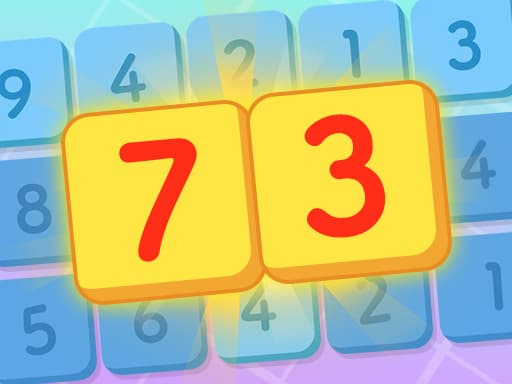
Sudoku Master uses the classic number-grid challenge: fill empty cells so each row, column, and outlined region contains the required set without repetition. Click to enter a choice and use the existing values as constraints. No calculation speed is required; the puzzle is about determining what can and cannot fit.
Begin with the row, column, or region that already contains the most information. For each empty cell, compare all three constraints before making a decision. If two candidates remain, leave the cell temporarily and solve somewhere else. Returning with one additional number elsewhere often turns a guess into a certain answer.
5. Sand Blast: Keep the Board Low
Sand Blast brings the old line-clearing idea into a softer block-blast format. Place different shapes, complete lines or patterns, and clear space before the board fills. Mouse clicks or taps control placement. Unlike a falling-block game, the important decision is often where a shape will leave room for the next pieces rather than how quickly you can move it.
Avoid building a tall wall along one side unless you already know how it will be cleared. Preserve a few open areas large enough for awkward shapes, especially near the center. Completing one line is useful, but a placement that prepares two lines while keeping the board flexible may be the stronger long-term move.
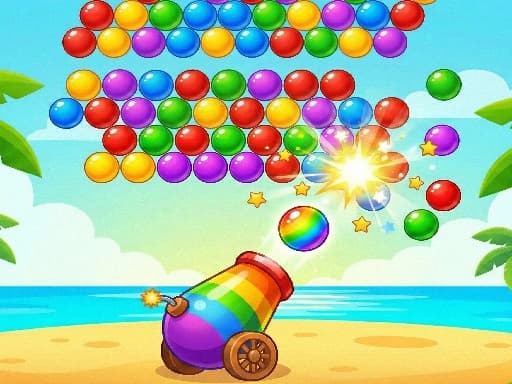
6. Bubble Shooter Blast Mania: Aim for the Support Point
Bubble Shooter Blast Mania uses the classic bubble-shooter loop: aim a colored bubble, connect it with matching bubbles, and clear the board through direct matches and chain reactions. Boosters add options across its many levels, but the central skill remains reading angles and deciding which cluster supports the others. Mouse clicks or taps are the listed controls.
Do not always target the largest visible group. Look for the narrow connection holding several lower bubbles in place. Clearing that support can drop a larger section with one shot. When the direct path is blocked, use the wall to reach a side angle, but check the predicted route before releasing.
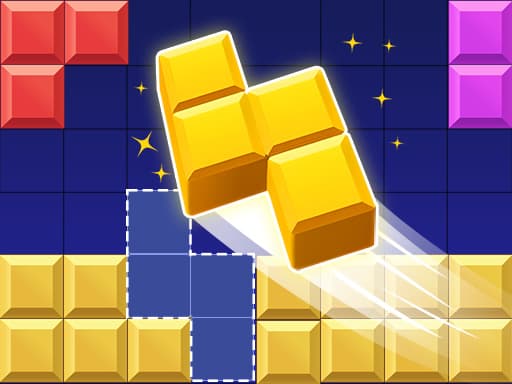
7. Block Puzzle Legend: Preserve Useful Spaces
Block Puzzle Legend is a score-based placement puzzle with colorful pieces and a clear board. Slide blocks into open spaces, complete arrangements that clear cells, and continue for as long as the remaining shapes still fit. The rules are approachable, but high scores depend on preparing for pieces that have not appeared yet.
Keep the center flexible and avoid scattering one-cell gaps across the board. Small holes are difficult to repair when most pieces contain several connected blocks. If a move clears space but creates multiple isolated pockets, compare it with a quieter placement that preserves a larger continuous area. Room to adapt is often worth more than an immediate small clear.
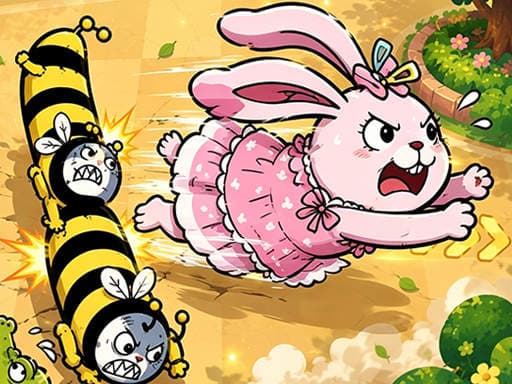
8. Animal Klotski: Slide Before You Rush
Animal Klotski adapts a traditional sliding-block puzzle with animal-shaped pieces and a pink rabbit that needs a route out. Click and drag blocks through the limited board, creating enough space to reposition the important pieces. The catalog labels it for kids, but the logic of planning several moves ahead can engage older puzzle players as well.
Find the rabbit's final path before making the first drag. Then identify the block that occupies that route and ask where it can move without blocking something else. Random movement may create temporary space while making the exit harder to reach. When stuck, reset the plan around the largest block rather than repeating the same final move.
How to Pick a Classic Puzzle Format
Freecell suits players who like long sequences and complete information. Magic Mahjong and Mahjong Match reward visual scanning, while Sudoku Master removes speed entirely and focuses on deduction. Sand Blast and Block Puzzle Legend are strong choices for spatial planning and score chasing. Bubble Shooter adds aiming and chain reactions, and Animal Klotski compresses the challenge into a small sliding board.
All eight games list mouse, tap, click, or drag controls, but a larger screen can make dense card, tile, and number layouts easier to read. Start with a format you already recognize, then try the neighboring skill: mahjong players may enjoy Freecell's planning, while block-placement fans can test that spatial thinking in Klotski.
Why These Puzzle Ideas Keep Working
A classic puzzle does not need constant new rules. Its depth comes from rearranging familiar pieces into a situation you have not solved before. The best approach is equally durable: inspect the whole board, preserve options, and make a move because you understand what it opens next. Whether the pieces are cards, runes, numbers, bubbles, or animal blocks, that habit turns a simple browser game into a useful exercise in patient problem solving.
Frequently Asked Questions
What types of classic puzzle games are included?
The guide includes solitaire, mahjong-style tile matching, sudoku, line clearing, bubble shooting, block placement, and sliding-block puzzles.
Which classic puzzle game is best for beginners?
Bubble Shooter Blast Mania and Block Puzzle Legend have immediately visible goals. Mahjong Match and Animal Klotski are also approachable when players prefer a slower pace.
Can I play these puzzle games on mobile?
All selected games list clicking, tapping, or dragging controls. Dense card, tile, or number layouts may still be easier to read on a larger screen.
Do these classic puzzle games require a download?
No separate installation is required. Each game in this guide opens directly in a supported web browser.
Play Games From This Article
Try the games mentioned above directly in your browser—no download required.